


Simultaneous Interpreting
What is Simultaneous Interpretation?
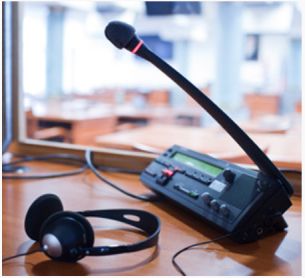
What Rental Equipment Do You Need for Simultaneous Interpreting?
There are three components inherent in any successful simultaneous interpreting experience: experienced, qualified conference interpreters, high-quality equipment, and professional simultaneous interpretation technicians. And, in some cases, the rental equipment you use will make or break your experience, because even the most successful interpreters in the world struggle if they don’t have access to quality sound and interpreting equipment.
Make sure you work with an interpretation services provider who provides modern, well- aintained interpreting equipment with audiovisual technical support at the ready. Failure to do so could leave you in a terrible spot – in the midst of incessant static, intermittent disconnections or technical gaffes so great they make it impossible to continue the event.
What is interpreting rental equipment?
Interpreting equipment pertains to any of the A/V equipment facilitating the services of an interpreter. The bulk of interpreting equipment is used by simultaneous interpreters as they – and their clients – rely on the use of headphones and microphones to relay information in real time. However, there are also cases where some manner of equipment is necessary for consecutive interpreting services.
Soundproof booths and interpreter consoles
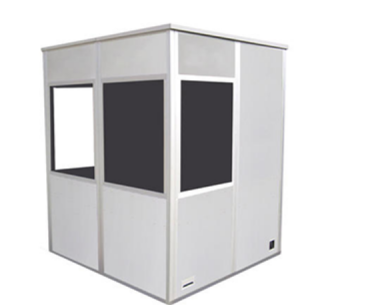
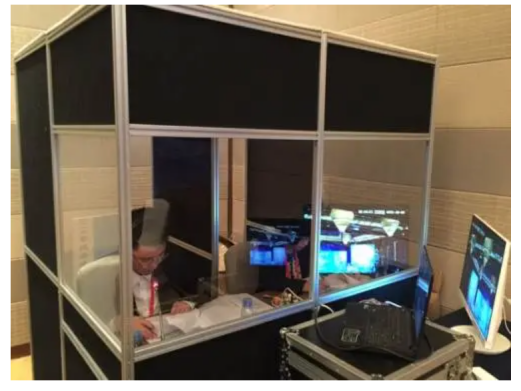
Soundproof booths
Simultaneous interpreting requires a tremendous level of attention – any sound interference or distractions negatively impact the interpreter’s ability to perform accurate interpretations.
As a client, this high-tech booth allows the interpreter to relay the message into your headset without interference as well.
Tabletops or half-booths
These are smaller soundproof booths that – as advertised – fit conveniently on top of a table or large desktop. In smaller venues, tabletop or half booths are ideal when space is limited but do not mitigate sound interference or replace the quality provided by fully-encapsulated soundproof booths.
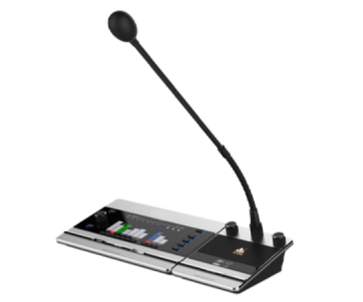
Interpreter consoles
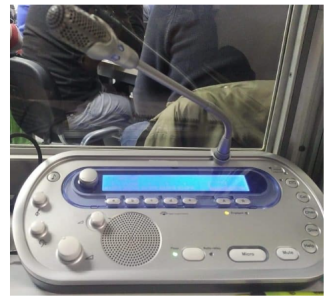
The interpreter console looks similar to a smaller version of a music recording studio’s sound panel. It has inputs/outputs for microphones and headsets, and the console serves as the technical interpreting control unit.
Different features and functions built into the console allow interpreters to turn their mic on and off, manage sound input and output, and select the clearest channels for communicating with their clients (since each language has its own FM frequency to prevent interference). It also allows the interpreter to use the “relay” – this happens when a speaker uses a language the interpreter does not understand. In this case, the interpreter listens to one of his colleagues interpret the speaker into a language that is common to all interpreters, in order to be able to then interpret into their own.
Interpreters need to have control over their own sound so they can fine-tune what they’re hearing for optimum understanding; so, for example, s/he can adjust volume, treble/bass, and tone. The “cough” button also allows for mute functions (handy for the occasional sneeze, cough or inevitable throat clearing).
Microphones
Microphones allow you to speak to interpreters, and for them to speak to you during simultaneous interpretation. They also allow your interpreter to speak and be heard by a group of people (your audience) in their native language. There should be at least one microphone provided per interpreter and per speaker.
Sound system or PA systems never “count” as microphones as the sound control is much more general. Interpreter microphones are highly sensitive and deliver impeccable sound to ensure every word is understood. Our experience is that “venue-provided” resources are highly prone to malfunctioning.
Interpreters use several types of microphones:
- On the table, possibly attached to the interpreter console:
Portable transmitters for interpretation during tours or demos
FM Receivers/Emitters
Sound system or PA systems never “count” as microphones as the sound control is much more general. Interpreter microphones are highly sensitive and deliver impeccable sound to ensure every word is understood. Our experience is that “venue-provided” resources are highly prone to malfunctioning.
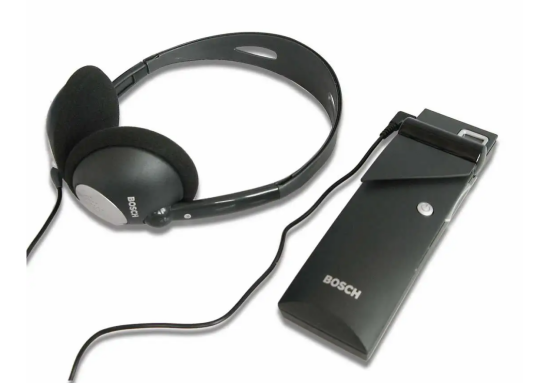
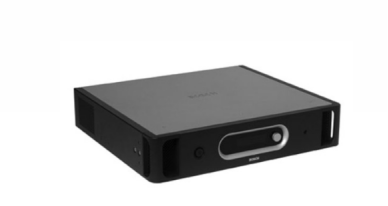
Infrared (I.R.) emitters
Conference technicians and complete A/V equipment support
Identify which equipment you’ll need ahead of time
We always advise meeting in person with the interpreters serving you before an event. In addition to establishing a rapport and familiarizing yourselves with one another, your language service provider is an expert at determining your event’s equipment needs.
Establishing this before attending the event guarantees you’ll have exactly what you need – no more and no less. In addition to preventing you from over-investing in equipment that isn’t used, it also ensures you aren’t left in the lurch when there is one less mic or headset than required, and that you’ll have all the portable mics you need for your walking tours or hands-on demos where wired versions would be cumbersome or at risk for damage. If you plan to have a teleconference with a client that isn’t able to attend a particular event, we’ll make sure the equipment is at the ready when you need it.
Checklist for equipment used for simultaneous interpreting services
- A soundproof booth that meets ISO standards regarding ventilation, lighting, safety, etc. (typically one booth per outgoing language)
- Simultaneous interpreter (SI) consoles/control panels
- Amplifiers
- Microphones
- Headsets
- Onsite technician operating systems at all times
This is the bare minimum requirement, and there are other factors and features to consider, such as:
- Systems should be infrared or cabled
- Extra channels are useful for accommodating other languages if needed
- Disposal bins
- An interpreters break or rest area
- Fresh drinking water for each session
- And of course, necessary documents, agendas, speeches, transcripts, glossaries, style guides, etc., pertaining to each session
Again, we can’t emphasize enough how important it is to meet with your interpreters in person, by phone or via video conferencing to share materials and information as early as possible. This allows interpreters to be as familiar as possible with all the materials and your event, allowing for a more stress-free (and error-free) experience for all.
Beware the use of “complementary” equipment at the venue
Require interpreting rental equipment for an upcoming event? Youyitong have exactly what you need. We provide platinum-standard language services virtually anywhere on the planet. Contact us to discuss your rental equipment needs.
Frequently asked questions about Simultaneous Interpreting
Simultaneous interpreting tends to be more costly than other interpretation types due to the fact that additional equipment, technicians and more than one interpreter is involved. It however yields better results for the participants and provides a much better flow to meetings.
Simultaneous interpretation is very taxing on linguists. It is not possible to maintain an acceptable level of simultaneous translation quality for periods of over 15 – 20 minutes. That is why simultaneous interpreters work in pairs and alternate rest times during assignments.
Simultaneous interpretation requires the use of special equipment such as sound proof booths and interpreter consoles along with wireless headphones and microphones. It is mostly used in large meetings, conferences, speeches and board meetings.